Dental Implant Guide: Restore Your Smile, Chew & Protect Jaw Bone Long-Term
Losing one or multiple teeth doesn’t just ruin your confidence to laugh and talk—it slowly shrinks your jaw bone, weakens adjacent healthy teeth, and limits the foods you love to eat. Many Americans delay implant treatment due to unknown surgery steps, cost worries, or confusing dental myths. This practical guide covers full implant treatment workflows, core benefits, at-home daily maintenance, how to pick a qualified implant specialist, and US insurance & payment tips, helping you make clear, stress-free oral health decisions.
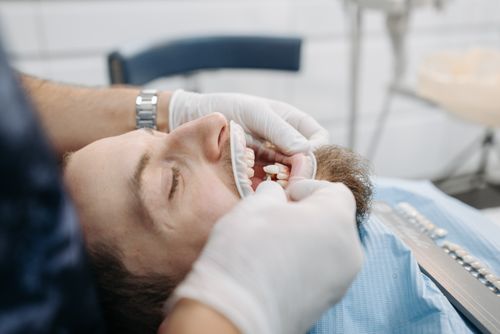
Step 1: Full Oral & Bone Screening — Foundation of Successful Implants
Dental implants can’t be fitted without a precise full-mouth exam. Missing teeth lead to hidden gum inflammation, bone loss, or leftover tooth roots that block stable implant placement. Your specialist will take 3D CBCT scans, check gum health, and measure jaw bone density during the initial consultation.
If your bone volume is too thin, minor pre-treatments like bone grafts or sinus lifts will be arranged first to build a solid base for artificial tooth roots. Skipping screening means higher risks of implant loosening or failure later on.
Step 2: Customized Implant Treatment Stages
Every patient’s oral condition is unique, so implant plans are never one-size-fits-all:
- Titanium post surgery: Medical-grade titanium roots are gently placed into your jaw with local anesthesia; sedation options are available for nervous patients.
- Osseointegration healing phase: 3–9 months of recovery for bone to fuse tightly with the titanium post, forming a permanent stable anchor.
- Abutment & custom crown fitting: After full healing, a connector piece (abutment) attaches to the post, then a personalized porcelain crown matching your natural tooth color and shape is fixed on top. For patients missing all upper/lower teeth, All-on-4 full-mouth implant systems cut healing time and restore full chewing function quickly.
Step 3: Daily At-Home Care to Extend Implant Lifespan
Implants can last 20+ years or even a lifetime with consistent daily care:
- Brush twice daily with soft-bristle toothbrushes and low-abrasive toothpaste (metal tools scratch titanium and trap bacteria).
- Use water flossers or implant-specific threaders to clean gaps under crowns every day.
- Avoid overly hard candies, ice, and tough nuts that crack crowns.
- Keep regular sleep schedules and cut heavy smoking—smoking severely slows bone healing and triggers implant gum infection (peri-implantitis). Schedule professional implant deep cleaning every 3–6 months for long-term stability.
Step 4: How to Choose a Trusted US Implant Dentist
Skip general dentists with limited implant experience; prioritize licensed oral surgeons or prosthodontists focused on implant rehabilitation. Top specialists deliver full personalized service: detailed bone analysis, clear timeline & cost breakdown, customized surgery plans, and scheduled follow-up check-ins. They will adjust your maintenance routine based on real healing progress and answer all your anxiety about pain, recovery, or long-term effects.
Step 5: US Treatment Cost & Insurance Coverage Tips
Many people put off implants over price fears, but US dental clinics offer transparent tiered pricing based on bone condition and implant brand. Mild single-tooth implants carry lower overall costs, while full-mouth restoration requires longer cycles and higher fees.
Most mainstream US dental insurance covers partial fees for diagnostic scans and non-surgical implant restorations within annual limits. Before booking your consultation, call your insurance provider to confirm reimbursement ratios, covered items, and required paperwork. Many clinics also offer interest-free monthly payment plans to ease one-time large expenses.
Final Takeaway
Tooth loss is a clear warning sign of declining oral health, not a minor cosmetic trouble. Early screening, personalized implant surgery, and steady daily oral maintenance stop bone loss and bring back your natural, confident smile. Stick to licensed professional clinics and scientific long-term care to avoid repeated, costly dental repairs down the line.